Sell your company to a direct buyer, not to a broker's mailing list.
Around 2% of UK businesses that go to market actually complete a sale. I am not a broker and I take no commission from your proceeds. I buy established UK HVAC, Renewable Energy and Construction companies directly, keep the name over the door, and keep the team that built it.
No listing. No teaser document. Nothing reaches your team until you decide it should.
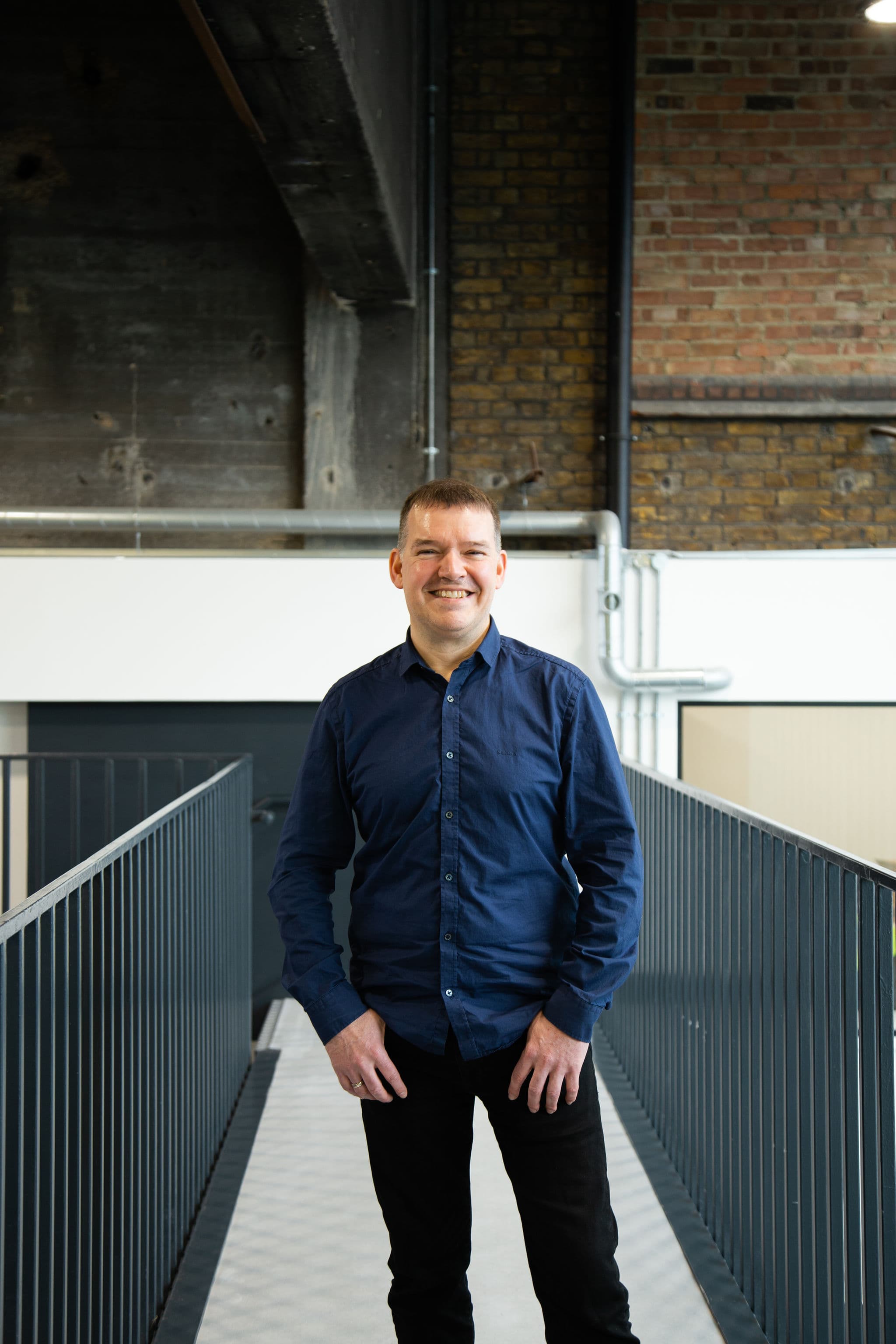
A direct buyer buys your company with its own capital.
A broker lists your business and introduces you to buyers for a percentage of the sale price. A direct buyer is the buyer. I have completed 32 M&A transactions over 12 years and own five trading companies, so there is no chain of introductions, no commission out of your proceeds, and no year on the market finding out whether anybody is serious.
- A direct buyer, not a broker. No commission out of your proceeds
- My lawyer panel, which lowers your legal cost and the stress
- Structured for tax efficiency on what you actually keep
- Your brand and team retained, not absorbed and renamed
- A staged handover across three to five years if you want one
The problems nobody puts on a broker's brochure.
Around 2% of UK businesses that go to market complete a sale, and only one in sixteen sells within twelve months. Most owners discover that after a year of fees and disruption.
The family are not ready or not willing. There is no obvious buyer. And the business is worth a little less every year you remain the single point of failure.
Sell everything, watch someone dismantle it, lose the team you spent twenty years building. That is what most owners are actually afraid of, and they are right to be.
You can see the next level. Funding it, hiring for it and systemising it from your own balance sheet is a different problem entirely.
In renewables especially, demand outruns capacity. Turning work away because of labour, not because of market. Growth capped by the wrong constraint.
Holidays are not really holidays. The business cannot run without you, which is exactly the thing that makes it harder to sell well when you finally want to.
Ethics is not the soft part of the deal. It is why the deal works.
You would be handing over something you built over decades. Everything below exists because that only ends well when the person across the table behaves the same on day 400 as they did on day one.
I keep the brand and the name over the door. What you built carries on being recognisably yours instead of disappearing into someone else’s letterhead.
Retention runs around 85% across partnership deals, against roughly 40% in straight buyouts. Your team is a large part of what I am buying.
If the fit is not there you will hear it on the first call, not after three months of diligence. I would rather lose a deal fast than waste a year of your life.
No listing, no teaser, no broker circulating your numbers. Nothing reaches your team, customers or competitors until you decide it should.
I am not a flipper. I hold, invest and build, and I reward the teams who get me there. Year five is discussed before anything is signed in year one.
Because you usually keep a stake, we both win in the same direction. That single fact changes every conversation after completion.
Four steps. No pressure at any of them.
Nothing is disclosed, nothing is signed, and nothing reaches your team until you have decided you want it to.
- 01An informal call
Where the business is, what you want next, and the one thing you would be most protective of.
- 02Indicative structure
What a sale or a partnership would look like for your business. In writing, with the numbers.
- 03Heads of terms
Agreed in principle before diligence begins and before disruption reaches your people.
- 04Completion, then growth
Kept a stake and we build it together. Sold outright and I look after what you handed over.
Whether this is worth a conversation.
I am a fit if
- You own an established, profitable UK business and you are thinking about the next chapter
- Or your business is underperforming or struggling with cash flow and needs expertise behind it to turn it around
- You care what happens to your people and your name after completion
- You would stay involved if the structure were right
- Or you want to grow by acquisition and need a partner who has done it 32 times
- You want a straight answer more than you want to be sold to
I am not a fit if
- You want the highest possible number and nothing else matters
- The business is pre-revenue or under £1m in revenue
- You would rather not know what the business is genuinely worth
- You want the team and the brand stripped out on day one
Selling your company: the questions owners ask.
Do I have to sell the whole company?
No. I acquire between 40 and 100%. In most deals the owner keeps a meaningful stake, stays involved, and takes a second and larger payday when the group scales. If a clean full exit is genuinely what you want, that can be structured too. The point is that you choose from the whole range rather than the one option a single buyer happens to offer.
What happens to my team and my brand?
Both stay. Retention across partnership deals runs around 85%, against roughly 40% in straight buyouts, and that is deliberate. The name stays over the door and the people stay behind it, because the culture is a large part of what is being bought. Every company in the group still trades under its own name.
Is selling my business to you confidential?
Completely, from the first call. There is no listing, no teaser document and no broker circulating your numbers. Nothing reaches your team, your customers or the market unless and until you decide it should. Most owners are twelve to thirty-six months from any decision when they first make contact.
What size and sector of business do you buy?
Mainly UK HVAC, Renewable Energy and Construction businesses, established, owner-managed and profitable, with a South of England weighting. The preferred size is £5m to £100m in revenue, and I do look at businesses from around £1m. I already own companies in all three sectors, so the conversation tends to be quicker and better informed than it would be with a generalist buyer. I look at other sectors as well, because I have partners across multiple industries, so it is worth asking rather than assuming the answer is no.
How do you value my business?
On a multiple of sustainable, adjusted profit rather than turnover. That means normalising owner salary and any personal costs running through the business, stripping out one-offs, and looking at the quality of the earnings: contract cover, customer concentration and how much depends on you personally. Two businesses with identical profit can be worth very different numbers once those are accounted for.
What actually moves the valuation up?
Five things, in rough order of impact. Reducing dependence on the owner, because a business that cannot run without you is worth less to everyone. Recurring or contracted revenue rather than repeat project work. Spreading customer concentration. Clean, timely management accounts. And a second layer of management who will still be there after completion. Most take twelve to twenty-four months to put in place, which is why an early conversation is worth having.
How long does a sale take?
From a first call to money in your account is typically four to eight months for a straightforward deal. Heads of terms are usually agreed within the first six to eight weeks, then diligence and legals run in parallel. It moves faster than a broker process because there is no marketing period and no waiting to find out whether a buyer is serious.
Do you charge fees to sell my business?
No. I am a direct buyer, not a broker, so there is no commission taken out of your proceeds and no retainer to engage. Business brokers typically charge both. You also get access to my lawyer panel, which usually lowers your own legal cost on the transaction.
What if I have a business partner who feels differently?
That is common and it is workable. A partnership structure often suits it better than a full sale, because one shareholder can take liquidity and step back while the other stays in and keeps building. I have structured deals where the two founders wanted opposite things, and getting that on the table early is far better than discovering it halfway through diligence.
What happens to the debt and the premises?
Normal trading debt, asset finance and leases are all standard and rarely obstacles. If you personally own the premises, you usually keep them and grant a lease, which many owners prefer because it leaves them an income after completion. Personal guarantees are released at completion, which for a lot of owners is the single biggest practical relief of the whole process.
Does my business have to be profitable?
For an acquisition, yes, in practice. I buy established, demonstrably profitable businesses. If yours has had a difficult year for an explainable reason, that is a conversation worth having rather than an automatic no. If it is loss-making with no clear route back, I am not the right buyer and you will be told that on the first call rather than three months in.
What if I am not ready to do anything yet?
Most owners I speak to are twelve to thirty-six months out. An early conversation costs nothing and tends to make the eventual outcome better, because the things that raise a valuation take time to put in place. There is no pipeline you get pushed down and no follow-up sequence.
Find out what your business is actually worth.
Most owners are twelve to thirty-six months out and have never had the number properly explained to them. Tell me roughly where the business is and I will come back with a straight view, in writing, with no obligation and nothing reaching your team.
Prefer to talk now? Call 020 3475 5475 or email lee@verdanicapital.co.uk.
Fifteen minutes, and you will know where you stand.
Pick a time that suits you. On the call I will ask where the business is, what a good outcome looks like for your life and not just your bank account, and the one thing you would be most protective of.
Confidential from the first minute. No listing, no teaser, and nothing reaches your team or your competitors.
Prefer not to use the calendar? Call 020 3475 5475.
What legacy do you want to leave behind?
Tell me where the business is and what you want to be true in three years. If I am not the right partner for it, you will know on the first call, and I will usually know who is.
Featured on BBC Radio, Sky News and various podcasts